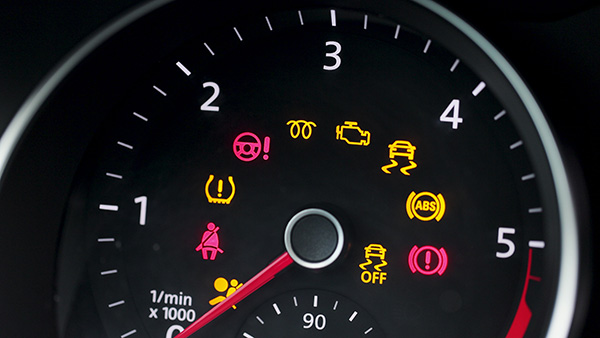
Dashboard lights are supposed to help, but sometimes they do the opposite. A symbol pops on, you squint at it, and your brain starts filling in gaps. You either assume it is nothing and keep driving, or you assume the worst and stress out the whole way home.
The better move is to know which lights drivers mix up most and what each one actually means. If you respond early and correctly, you can avoid breakdowns and waste money on fixes you do not need.
1. Check Engine Light Versus Maintenance Reminder
These two get confused constantly. A maintenance reminder is usually tied to mileage and time, like oil change intervals. It does not mean something has failed, it means you are due for scheduled service.
A check engine light is different. It is triggered by the engine computer detecting a fault, often related to emissions or engine performance. It can be something simple, like a loose gas cap, but it can also be something that affects drivability. If the light is blinking, that is a bigger concern because it can point to an active misfire that may damage the catalytic converter.
2. Oil Pressure Light Versus Oil Change Light
Some vehicles have both, and they do not mean the same thing. An oil change light is a reminder based on time or mileage. The oil pressure light means the engine may not be getting proper oil pressure right now.
If you see an oil pressure warning while driving, treat it seriously. Low oil pressure can damage the engine quickly. That warning can be caused by a low oil level, a failing sensor, or an internal problem, but the safest move is to shut the engine down and get it checked rather than continuing to drive.
3. Battery Light Versus Dead Battery
The battery icon on the dashboard does not usually mean the battery itself is bad. It usually means the charging system is not charging the battery the way it should. That can be alternator-related, belt-related, or wiring-related.
Drivers often see the light and assume they just need a new battery, then the car dies again because the real issue was charging. If the battery light is on while you are driving, you are often running on stored battery power, and once that power is used up, the car can stall and not restart.
4. ABS Light Versus Brake Warning Light
The ABS light means the anti-lock feature may be disabled, but basic braking often still works. The brake warning light, especially if it is red, can indicate low brake fluid, a hydraulic issue, or that the parking brake is engaged.
If you see ABS alone, you can usually drive carefully to get it diagnosed. If you see a red brake warning light or if you feel the pedal change, that is a stop-and-check situation. Those warnings are not equal, and the red brake warning should never be brushed off.
5. Temperature Warning Versus Outside Air Temperature
This is a surprisingly common mix-up, especially when a vehicle displays both. The outside air temperature display is informational. The engine temperature warning is telling you the engine may be overheating.
If you get an engine temperature warning, do not keep driving to see if it goes away. Overheating can escalate fast. Pull over safely, shut the engine off, and let it cool before you decide what to do next. Continuing to drive while hot can warp components and turn a repair into a much bigger job.
6. Traction Control Light Flashing Versus Staying On
A flashing traction control light usually means the system is actively working, like when a tire slips on wet pavement. A solid traction control light often means the system is turned off or there is a fault and it is not available.
If it flashes briefly during poor traction, that can be normal. If it stays on all the time, especially with ABS or stability lights, the vehicle may have disabled those systems because a sensor input is missing or inconsistent. That is when diagnosis becomes important, even if the car feels normal.
What To Do When You Are Not Sure What A Light Means
If a light comes on and the car drives normally, start by noticing whether the light is solid or blinking, and whether any other lights appeared at the same time. Then think about whether anything changed recently, like a pothole hit, brake work, a battery replacement, or heavy rain. Those details help narrow the cause.
Avoid clearing codes or disconnecting the battery to make the light go away. That can erase helpful data and make diagnosis harder. It also does not fix the underlying issue, it just delays it.
How We Approach Dash Light Diagnostics
We start by scanning for codes, then we look at live data when needed to confirm what the vehicle is seeing. Many warning lights share sensor inputs, so a single failing signal can trigger multiple lights. Once we identify the system and the likely root cause, we inspect the components and wiring that support it.
The goal is to confirm the reason the light came on, not guess and replace parts. That keeps the repair accurate and keeps you from paying for something you did not need.
Get Dashboard Light Diagnostics in Baltimore, MD with Paul's Automotive
We can scan your vehicle, explain what your dashboard lights mean, and pinpoint what triggered them in the first place. We’ll walk you through the next steps and help you prioritize what should be fixed now versus what can be scheduled.
Call Paul's Automotive in Baltimore, MD, to book a diagnostic check and get clear answers from the first visit.