Posted on 8/28/2026
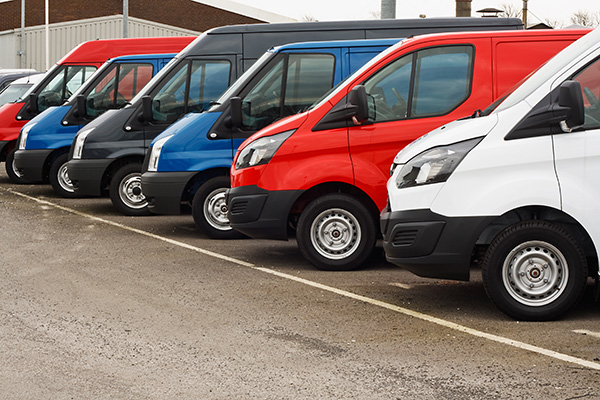
Fleet vehicles usually work harder than personal cars. They may spend hours in traffic, idle for long periods, carry tools or cargo, make repeated short trips, or cover far more miles in a month than the average commuter vehicle. Because of that, waiting for something to break before scheduling service can get expensive quickly. There is no single preventive maintenance interval that fits every fleet. A delivery van making dozens of stops each day needs a different schedule from a highway-driven sales vehicle. The strongest approach is to start with the manufacturer's service requirements, then shorten or adjust the intervals based on mileage, engine hours, operating conditions, and the type of work each vehicle performs. Start With Mileage, but Do Not Rely on Mileage Alone Mileage is still one of the easiest ways to organize fleet service. Oil changes, tire rotations, filters, and several other maintenance items are commonly tied to mileage intervals, which mak ... read more
Posted on 7/31/2026

A car can lose some of its energy without a single warning light turning on. You press the gas, but the response feels delayed. Merging takes more effort, hills seem steeper, and the vehicle may feel heavier than it used to. Since nothing is lit on the dashboard, it is easy to assume the change is normal aging. In reality, many performance problems begin before the computer sees a fault serious enough to trigger a warning. Dirty components, worn maintenance items, dragging brakes, low tire pressure, and early fuel or ignition problems can all quietly reduce power. The way the car feels is often the first warning you get. The Engine May Not Be Getting Enough Air An engine needs a steady supply of clean air to make power efficiently. A dirty air filter can restrict airflow, especially during harder acceleration when the engine needs more volume. The car may still idle normally and ... read more
Posted on 6/26/2026
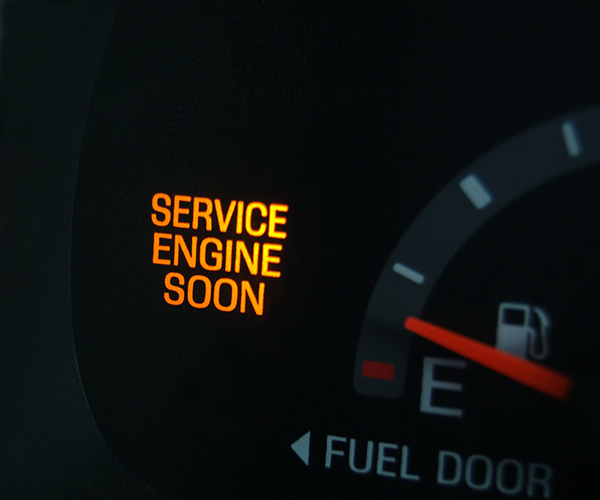
A dashboard warning light is easier to take seriously when the car feels bad. If the engine shakes, the brakes feel strange, or steam comes from under the hood, most drivers know something is wrong. The harder call is when a warning light turns on, and the car still feels perfectly normal. That is where many drivers wait. They hope the light is a fluke, a loose gas cap, or something that will clear itself after a few trips. Sometimes the issue is minor. Other times, the car is catching a problem early, before you can feel it from the driver’s seat. A Warning Light Is The Car Noticing A Change Modern vehicles monitor many systems while you drive. The engine computer, brake system, charging system, emissions system, tire pressure system, and other modules are constantly checking information from sensors. When something falls outside the expected range, the vehicle turns on a warning light. That does not mean the car is about to fail in the next mile. It does me ... read more
Posted on 5/29/2026

Oil choices used to feel simpler. You pulled in for service, got an oil change, and moved on. Now the options come with words like conventional, synthetic blend, full synthetic, high mileage, and manufacturer specification. No wonder drivers ask what their engine actually needs. The short answer depends on the vehicle, mileage, engine design, driving habits, and the oil spec printed in the owner’s manual. The wrong choice is not always obvious right away, but over time, oil quality affects wear, deposits, cold starts, heat control, and how well the engine handles daily driving. What Conventional Oil Is Conventional oil is mineral-based engine oil refined from crude oil. It has been used for decades and still works well in some older engines built with shorter service intervals and simpler oil requirements. It is usually less expensive than synthetic oil. That is the appeal. For a vehicle with basic engine design, light driving habits, and a manufacturer that ... read more
Posted on 4/30/2026
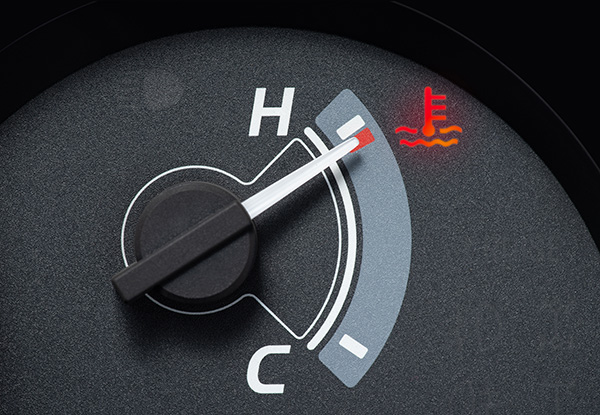
Few things can make a driver’s heart sink faster than seeing that little red thermometer symbol pop up on the dashboard. At our shop, we have seen what happens when that warning is ignored, and it isn't pretty. An overheating engine can warp metal, melt gaskets, and turn a simple fix into a total engine replacement in a matter of minutes. Knowing exactly what to do in those first sixty seconds can save you thousands of dollars and keep you from being stranded on the side of the highway. Why Your Car Is Getting Feverish Modern engines operate at very high temperatures, usually between 195 and 220 degrees Fahrenheit. Your cooling system, a complex loop of a radiator, water pump, thermostat, and coolant, is responsible for keeping that heat in check. When the light comes on, the balance has been broken. Common culprits usually include a leak in a rubber hose, a failing water pump that can no longer circulate fluid, or a thermostat that has stuck shut. Sometim ... read more