Posted on 3/27/2026
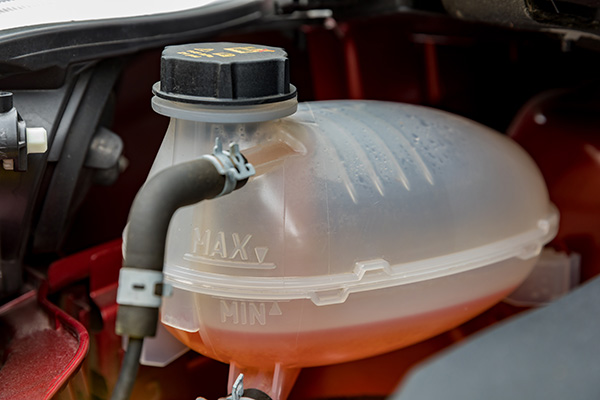
A coolant leak can feel like a minor inconvenience at first. Maybe you top off the reservoir once, wipe up a small spot, and move on. The problem is that coolant loss has a way of turning into a much bigger bill, and not always in a slow, predictable way. The real cost is rarely the coolant itself. It’s what happens when the engine runs hot, even briefly. Why Coolant Leaks Get Expensive Fast Cooling systems are designed to stay full, sealed, and pressurized. When coolant drops, the system loses its buffer. That means normal things like traffic, a warm day, or a long hill can push temperatures closer to the danger zone. Leaks also tend to grow. Seals harden, hoses age, and plastic fittings can crack a little more each heat cycle. A seep that looks stable for weeks can suddenly become a steady leak. If the leak worsens while you’re driving, you may not notice until the heater output changes or the temperature gauge starts creeping higher. The Pre ... read more