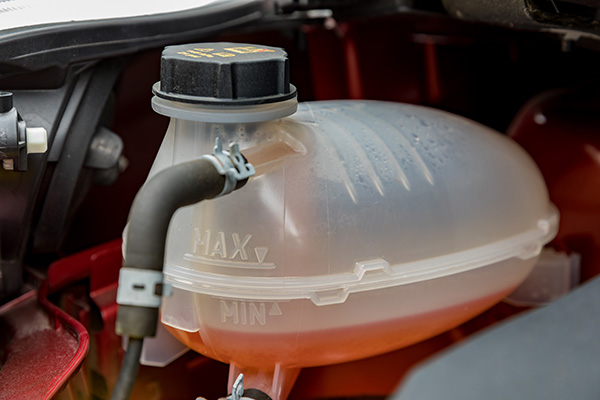
A coolant leak can feel like a minor inconvenience at first. Maybe you top off the reservoir once, wipe up a small spot, and move on. The problem is that coolant loss has a way of turning into a much bigger bill, and not always in a slow, predictable way.
The real cost is rarely the coolant itself. It’s what happens when the engine runs hot, even briefly.
Why Coolant Leaks Get Expensive Fast
Cooling systems are designed to stay full, sealed, and pressurized. When coolant drops, the system loses its buffer. That means normal things like traffic, a warm day, or a long hill can push temperatures closer to the danger zone.
Leaks also tend to grow. Seals harden, hoses age, and plastic fittings can crack a little more each heat cycle. A seep that looks stable for weeks can suddenly become a steady leak. If the leak worsens while you’re driving, you may not notice until the heater output changes or the temperature gauge starts creeping higher.
The Prevention Side: What It Usually Costs To Fix Early
Early repairs are usually focused and predictable. Many common leaks are things like a hose clamp seep, a cracked plastic outlet, a weak cap that can’t hold pressure, or a radiator seam that’s starting to weep. A pressure test and inspection typically find these quickly, and the repair is often straightforward.
Preventive work also includes addressing the factors that accelerate leak problems. Coolant that’s old can become more corrosive. A neglected system can build deposits that stress seals and reduce heat transfer. Regular maintenance can help prevent this by keeping coolant in good condition and catching small leaks before they become bigger.
What a typical early-stage plan often includes:
- Pressure testing to locate the true leak source
- Replacing the failed component, not guessing
- Refilling with the correct coolant and bleeding air properly
- Checking cap condition and hose integrity
- Confirming stable operating temperature after repair
Fixing a leak early usually means you pay for one repair and move on. That’s the whole idea.
The Engine Repair Side: What Happens When You Wait
Waiting shifts the risk toward overheating, and overheating is where costs jump. Even a short overheating event can warp components, stress gaskets, and create internal issues that did not exist before. It doesn’t have to peg the gauge for ten minutes to matter. Sometimes it only takes one hot spike.
Common damage paths include:
- Warped cylinder head leading to head gasket failure
- Coolant and oil mixing, which can damage bearings over time
- Misfires and rough running from coolant intrusion
- Repeated overheating that shortens the life of hoses, seals, and sensors
- Catalytic converter stress if misfires develop from the overheating episode
Once you’re in this territory, the repair isn’t about one leaking fitting. It can become a major decision about engine repair or replacement, depending on the severity. That’s the real difference between prevention and waiting.
Hidden Costs Drivers Don’t Budget For
Some costs don’t show up on the repair estimate line. Tow bills add up if the car overheats at the wrong time. Lost work time, rideshares, and rental expenses can turn a manageable repair into a budget headache. You also lose flexibility because the car is no longer on your schedule.
There’s also the risk of secondary damage. A coolant leak can drip onto belts, causing them to slip. It can spray onto electrical connectors and cause intermittent issues later. Those problems can linger even after the original leak is repaired, which is why addressing leaks early usually saves both money and time.
How To Tell If You’re Past The Safe Window
A small, stable seep is still a leak, but the urgency changes when patterns shift. If you’re adding coolant more than once, if the heater output changes at idle, or if the temperature gauge rises above its normal position even briefly, that’s a sign the system is losing margin.
Here are warning signs that should push you toward an inspection soon:
- Coolant level drops again within a week or two of topping off
- Sweet smell after parking, especially after longer drives
- Heater blows warm, then cool, then warm again in traffic
- Temperature gauge behaves differently than it used to
- Steam under the hood or visible drips after shutdown
If any of those are happening, the prevention route is still available, but the clock is running faster than most drivers expect.
How We Confirm The Leak And Protect The Engine
A proper check starts with pressure testing because it reveals leaks even when they don’t drip in your driveway. We also inspect common failure points like hose ends, radiator seams, thermostat housings, water pump seep areas, and reservoir caps. Then we confirm the system holds pressure and maintains a stable operating temperature after repairs.
The goal is a fix that lasts. We also look for related aging parts that may be close behind, because fixing one leak and ignoring a brittle hose next to it often leads to a repeat visit. That’s why an inspection and a plan are usually cheaper than reacting to one leak at a time.
Get Cooling System Service In Baltimore, MD, With Paul's Automotive
Paul's Automotive in Baltimore, MD, can locate the source of your coolant leak, pressure test the system, and recommend the right repair before overheating turns a small issue into a major engine bill.
Schedule a visit and protect your engine while the fix is still straightforward.