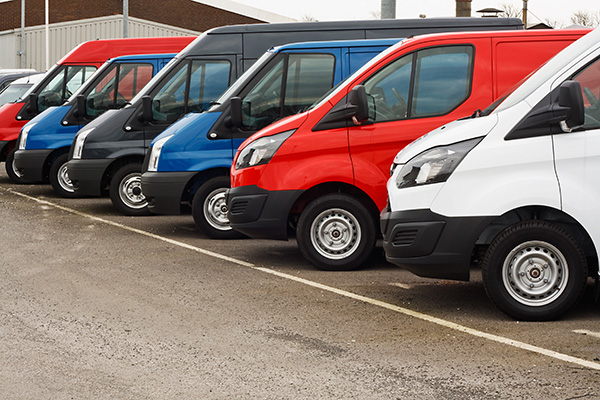
Fleet vehicles usually work harder than personal cars. They may spend hours in traffic, idle for long periods, carry tools or cargo, make repeated short trips, or cover far more miles in a month than the average commuter vehicle. Because of that, waiting for something to break before scheduling service can get expensive quickly.
There is no single preventive maintenance interval that fits every fleet. A delivery van making dozens of stops each day needs a different schedule from a highway-driven sales vehicle. The strongest approach is to start with the manufacturer's service requirements, then shorten or adjust the intervals based on mileage, engine hours, operating conditions, and the type of work each vehicle performs.
Start With Mileage, but Do Not Rely on Mileage Alone
Mileage is still one of the easiest ways to organize fleet service. Oil changes, tire rotations, filters, and several other maintenance items are commonly tied to mileage intervals, which makes them straightforward to track across multiple vehicles.
The problem is that mileage does not show how hard those miles were. A truck that travels 5,000 highway miles may experience less wear in some areas than a van that travels 2,000 miles while idling for hours and making constant stops. Fleet managers should look at both distance traveled and how the vehicle accumulated those miles.
Engine Hours Can Be Just as Important
Vehicles that idle frequently can have relatively low mileage while the engine accumulates substantial operating time. Service trucks, utility vehicles, delivery fleets, and vehicles used in urban traffic are good examples.
The engine is still running during those stationary hours. Oil is circulating, the cooling system is working, accessories are operating, and fuel is being burned. For fleets with heavy idle time, engine-hour tracking can provide a much more accurate picture of service needs than mileage by itself.
Severe Operating Conditions May Require Shorter Intervals
Many fleet vehicles fall under what manufacturers describe as severe or demanding service. That does not mean something is wrong with the vehicle. It simply describes use that places more stress on certain components and fluids.
Common severe-service conditions include:
- Frequent short trips
- Extended idling
- Heavy stop-and-go traffic
- Towing or hauling
- Dusty operating environments
- Frequent mountain driving
- High annual mileage
- Repeated operation in extreme heat or cold
Under these conditions, engine oil, transmission fluid, filters, brakes, and other components may need attention sooner than they would on a lightly used personal vehicle.
Oil Changes Should Be Scheduled, Not Remembered
Oil service is one of the easiest fleet items to lose track of when several vehicles are operating at once. Relying on drivers to remember when the last oil change happened often leads to missed intervals.
A fleet maintenance system should record the date, mileage, and engine hours at every service. The next interval can then be scheduled before it becomes overdue. Keeping those records also makes it easier to spot vehicles that are beginning to consume oil, develop leaks, or require service more often than the rest of the fleet.
Brakes and Tires Need Frequent Attention
Fleet vehicles often wear brakes and tires faster because of vehicle weight, repeated stops, urban driving, and long daily operating periods. These parts do not follow a perfect mileage schedule, so regular inspections are especially important.
Brake pad thickness, rotor condition, tire tread depth, pressure, and wear patterns should be checked often enough to catch changes before they create downtime. Uneven tire wear may point toward alignment or suspension trouble, while one brake wearing much faster than the others can reveal a sticking caliper or hardware problem.
Build Inspections Into Routine Service Visits
A preventive maintenance visit should do more than replace oil and send the vehicle back out. It is a useful opportunity to look for the small problems that commonly turn into breakdowns.
Technicians may check:
- Fluid levels and visible leaks
- Belts and hoses
- Battery and charging condition
- Steering and suspension wear
- Brake components
- Tires and tire pressure
- Exterior lighting
- Wipers and washer operation
- Exhaust and underbody condition
These checks help fleet managers plan repairs instead of reacting to them after a vehicle is already off the road.
Different Fleet Vehicles May Need Different Schedules
One of the easiest mistakes is putting every fleet vehicle on the same calendar simply because they belong to the same company. A compact sales car, diesel work truck, cargo van, and towing vehicle may all have very different service requirements.
Even two identical vans can need different schedules if one handles short urban routes while the other spends most of its time on the highway. Tracking each vehicle individually gives you better information and helps avoid unnecessary service on lightly used vehicles while preventing heavily used ones from being overlooked.
Preventive Maintenance Helps Reduce Downtime
The real cost of a fleet repair is often bigger than the repair invoice. A disabled vehicle can delay deliveries, force employees into another vehicle, interrupt customer appointments, or leave a crew without the equipment they need.
Preventive maintenance cannot eliminate every unexpected failure, but it gives technicians a better chance to catch weak batteries, worn brakes, leaking hoses, damaged belts, and other developing concerns before they take a vehicle out of service. Planning those repairs around the work schedule is usually much easier than dealing with a breakdown in the middle of the day.
Use Service Records to Improve the Schedule
A good fleet maintenance plan gets better over time. If several vehicles consistently need brakes around the same mileage, that information can help you schedule future inspections earlier. If one route produces unusually fast tire wear, alignment and suspension checks can be added more frequently.
Detailed records also make budgeting easier. Instead of treating maintenance as an unpredictable expense, managers can see patterns in oil service, tires, brakes, batteries, and larger repairs and plan around them.
Get Fleet Preventive Maintenance in Baltimore, MD, With Paul's Automotive
Paul's Automotive in Baltimore, MD, can help businesses build a preventive maintenance schedule around vehicle type, mileage, engine hours, and actual operating conditions.
Contact us to schedule fleet service and keep your vehicles maintained before small problems turn into costly downtime.