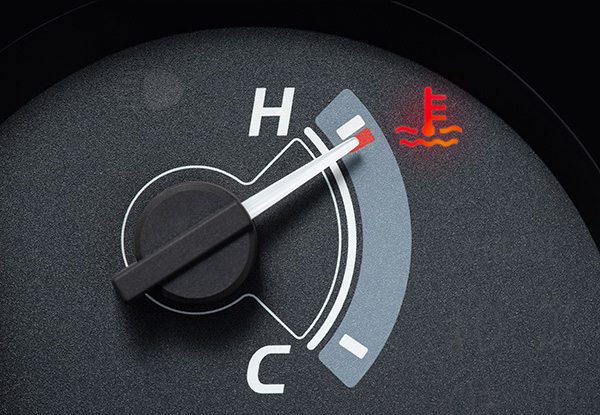
Few things can make a driver’s heart sink faster than seeing that little red thermometer symbol pop up on the dashboard. At our shop, we have seen what happens when that warning is ignored, and it isn't pretty. An overheating engine can warp metal, melt gaskets, and turn a simple fix into a total engine replacement in a matter of minutes. Knowing exactly what to do in those first sixty seconds can save you thousands of dollars and keep you from being stranded on the side of the highway.
Why Your Car Is Getting Feverish
Modern engines operate at very high temperatures, usually between 195 and 220 degrees Fahrenheit. Your cooling system, a complex loop of a radiator, water pump, thermostat, and coolant, is responsible for keeping that heat in check. When the light comes on, the balance has been broken.
Common culprits usually include a leak in a rubber hose, a failing water pump that can no longer circulate fluid, or a thermostat that has stuck shut. Sometimes, it is as simple as a piece of road debris like a plastic bag getting sucked into the front of your car and blocking the airflow to the radiator. Whatever the cause, the heat is building up faster than the car can shed it.
The Immediate Action Plan
If you see that needle climbing into the red or the warning light flickering, you need to act immediately. Do not try to limp home or make it to the next exit five miles away. Heat damage is cumulative and fast.
Follow these steps to protect your engine:
- Turn off the AC: Your air conditioner puts a massive load on the engine and generates extra heat under the hood. Shutting it off gives the engine a small break.
- Crank the heat: This sounds miserable on a hot day, but turning your heater to the highest setting and the fans to full blast acts like a secondary radiator. It pulls heat away from the engine and into the cabin. If you start feeling hot air, it means the system still has some coolant left.
- Find a safe spot to pull over: Once you are off the road, turn the engine off immediately. This stops the combustion process and prevents the heat from rising any further.
- Open the hood carefully: If you see steam billowing out, stay back. Wait for the steam to dissipate before popping the latch. Opening the hood allows the trapped heat to escape into the air.
Never Touch the Radiator Cap
If there is one thing we want you to take away from this blog, it is this: Do not open the radiator cap on a hot engine. The cooling system is under immense pressure. If you twist that cap while the engine is hot, the boiling coolant can spray out like a geyser, causing severe burns.
Wait at least thirty to forty-five minutes for the engine to cool down before you even think about touching the cooling system. You can check the plastic overflow reservoir, which is usually translucent, to see if it is empty, but leave the pressurized cap alone until the metal feels cool to the touch.
Evaluating the Damage
Once things have cooled down, you can look for obvious signs of trouble. Is there a green or orange puddle under the car? Do you see a hose that has burst or slipped off its connection?
If the reservoir is empty and you have extra coolant or water in the trunk, you can try to top it off once the engine is cold. However, this is only a temporary fix to get you to a service station. If the leak is significant, the water will just pour right back out, and you’ll be in the same situation five minutes later. In most cases, if the temperature light came on, the safest bet is to call a tow truck. The cost of a tow is a small price compared to the cost of a damaged engine.
Let Paul's Automotive Cool Things Down
Overheating is a serious symptom of a system failure, and it isn't something that fixes itself. When you bring your vehicle to Paul's Automotive, we perform a pressure test to find hidden leaks and check the condition of your coolant. We’ll also inspect your cooling fans and thermostat to make sure everything is working as it should in Baltimore, MD.
Let us find the issue, fix the flow, and get you back on the road with a properly cooled engine.