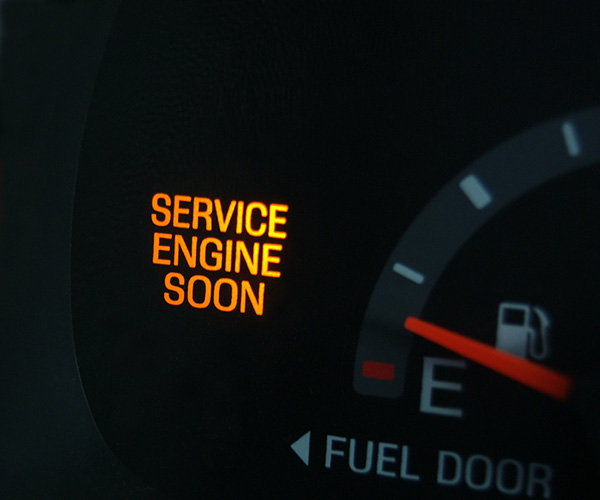
A dashboard warning light is easier to take seriously when the car feels bad. If the engine shakes, the brakes feel strange, or steam comes from under the hood, most drivers know something is wrong. The harder call is when a warning light turns on, and the car still feels perfectly normal.
That is where many drivers wait. They hope the light is a fluke, a loose gas cap, or something that will clear itself after a few trips. Sometimes the issue is minor. Other times, the car is catching a problem early, before you can feel it from the driver’s seat.
A Warning Light Is The Car Noticing A Change
Modern vehicles monitor many systems while you drive. The engine computer, brake system, charging system, emissions system, tire pressure system, and other modules are constantly checking information from sensors. When something falls outside the expected range, the vehicle turns on a warning light.
That does not mean the car is about to fail in the next mile. It does mean the system has seen something it does not like. A small sensor reading, low voltage event, a pressure change, a fluid issue, or an emissions fault can show up before the vehicle feels different. Waiting for symptoms can allow the original problem to grow.
The Check Engine Light Can Start Quietly
A check engine light with no symptoms is one of the most common examples. The car starts fine. It accelerates fine. The fuel economy may even seem normal. Still, the light can point toward a real issue.
Possible causes include an evaporative emissions leak, oxygen sensor problem, fuel mixture concern, ignition issue, catalytic converter efficiency code, loose gas cap, or early misfire. Some of these problems stay quiet because the computer adjusts around them for a while. That does not mean the car fixed itself.
If the check engine light is flashing, that is different. A flashing light can point to an active misfire that may damage the catalytic converter. That should be checked quickly and driven as little as possible.
Brake And ABS Lights Should Not Be Ignored
A brake or ABS warning light can be misleading, as the vehicle may still stop. Your regular brakes might feel normal during everyday driving, especially if you are only making light stops around town. The concern is what happens when you need the system under pressure.
An ABS light can indicate that the anti-lock brake system may not help during hard stops or on slippery roads. A brake warning light can point toward low brake fluid, parking brake switch trouble, hydraulic concerns, or other brake system issues. If a red brake warning light stays on, the car should be checked before driving.
Battery Lights Can Mean Charging Trouble
A battery light does not always mean the battery itself is bad. It often means the charging system is not keeping up. The alternator, belt, wiring, battery terminals, or electrical connections may be involved.
The car can keep driving for a short time with a charging problem because it is using battery power. Once that power drops too low, electrical systems can start acting strangely, and the engine may stall. Headlights, dashboard lights, power steering assist, and engine controls can all be affected. A battery light is one warning that waiting can leave you stuck faster than expected.
Oil And Temperature Warnings Need Fast Attention
Some warning lights warrant immediate action, even if the car still feels normal for now. Oil pressure and temperature warnings are near the top of that list. These systems protect the engine from damage that can happen quickly.
An oil pressure light is not the same as an oil change reminder. It can mean the engine is not getting the oil pressure it needs. A temperature warning can indicate that the engine is overheating or that the cooling system is no longer controlling heat properly. In both cases, driving farther can turn a repairable problem into serious engine damage.
Tire Pressure Lights Can Affect Safety And Tire Life
A tire pressure warning may seem small compared with an engine or brake light, but it still deserves attention. Low tire pressure can reduce traction, increase tire heat, hurt fuel economy, and wear the tire faster. In wet weather, it can also change how the car stops and turns.
Sometimes the tire is low because of normal pressure loss. Other times, there is a nail, valve stem leak, wheel issue, or damaged tire. If the light comes back on after the tire is filled, the tire should be inspected. Regular maintenance is a good time to check tire pressure, tread depth, and uneven wear together.
Why A Code Scan Is Only The Beginning
Many parts stores and scanners can read a code, but a code is not the full answer. It tells you which system reported a problem. It does not always prove which part failed.
For example, an oxygen sensor code can be caused by a bad sensor, an exhaust leak, a fuel mixture problem, a wiring fault, or an engine issue. An ABS code can point to a single wheel area, but the actual issue may be a sensor, harness, tone ring, or wheel bearing. A proper diagnostic uses the code as a starting point, then checks the system to confirm the cause.
Get Dashboard Warning Light Diagnostics In Baltimore, MD, With Paul's Automotive
If your dashboard warning light is on, even with no obvious symptoms, Paul's Automotive in Baltimore, MD, can inspect the vehicle, read the codes, test the affected system, and explain what needs attention.
To get a clear answer before the warning turns into a bigger repair, contact us to schedule an appointment.